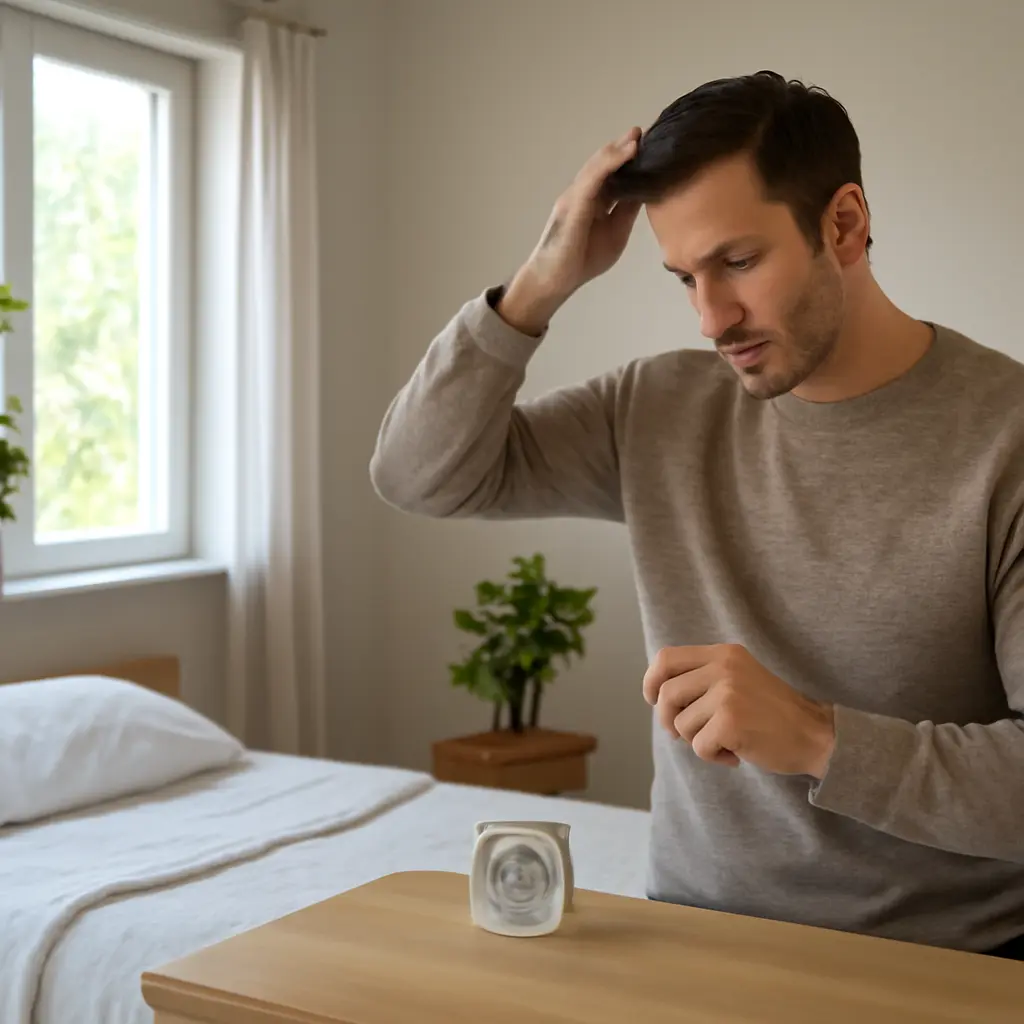

A sudden drop in humidity can make hair harder to style and keep in place. Hair texture control is the practice of managing how strands feel, look, and behave—especially their dryness, static, frizz, and shape. When the air gets drier, hair loses moisture more readily and can become brittle or flyaway; practical fixes include adjusting wash and conditioning habits, using leave-in products strategically, reducing heat and friction, and adding moisture to indoor air when appropriate. The key is to respond to the change in conditions rather than piling on product: relative humidity, hair type, and the ingredients in a formula all affect results.
How Low Humidity Affects Hair Texture Control
Relative humidity describes how much water vapor is in the air compared with the maximum amount the air could hold at the same temperature. The National Weather Service explains that relative humidity changes with both moisture content and temperature. Hair interacts with that surrounding moisture: in drier air, it can lose water, while changes in moisture balance can alter how flexible and manageable strands feel. The exact response varies with hair condition, porosity, styling history, and the products used.
Low humidity is not the sole cause of every rough or static-prone hair day. Frequent washing, chemical treatments, heat styling, friction from clothing, and hard water can also contribute. Still, a seasonal or indoor humidity change can expose weaknesses in a routine that worked in more humid conditions.
Dryness, roughness, and breakage risk
Hair fibers are made primarily of keratin, and their surface condition affects smoothness and shine. The American Academy of Dermatology recommends gentle handling and conditioning because wet or damaged hair is more vulnerable to breakage. In dry weather, strands may feel less pliable, so detangling aggressively or repeatedly applying high heat can worsen mechanical damage. A conditioner helps reduce friction between fibers; it does not permanently repair split ends.
Static and flyaways
Static electricity becomes more noticeable when dry air and friction allow electrical charges to build on hair and nearby fabrics. Fine, freshly washed, or highly processed hair may be especially prone to flyaways, although individual results differ. A small amount of leave-in conditioner or smoothing cream can help reduce friction, while a clean, smooth comb and less rubbing with towels or hats can limit charge buildup.
Why hair can behave differently across seasons
Hair is hygroscopic: it exchanges moisture with its environment. Humidity can affect the shape and behavior of the hair fiber, but the direction and visibility of the change depend on styling, fiber damage, and product buildup. In very dry conditions, the practical concern is often roughness and static; in humid conditions, swelling and loss of style definition may be more prominent. This is why a routine should be adjusted by symptoms rather than by season alone.
How Moisture-Balanced Care Improves Texture Control
Moisture-balanced care means cleansing without unnecessarily stripping the hair and using conditioners or leave-in products to improve softness and reduce friction. It does not mean that hair can be permanently “hydrated” by one product: conditioners mainly coat and smooth the fiber, while water temporarily changes its moisture content. The American Academy of Dermatology advises applying conditioner after shampooing, with placement tailored to hair type—for example, focusing on the lengths and ends when roots become oily easily.
Choose a conditioner for the hair’s needs
A rinse-out conditioner is a useful first adjustment when hair feels rough or tangles more in dry weather. Fine hair may do better with a lighter formula applied mainly from mid-length to ends; thick, curly, or chemically treated hair may need a richer conditioner. If hair becomes limp or coated, reduce the amount or frequency rather than adding more layers. A simple test is to change one part of the routine at a time and compare how the hair feels after several washes.
Use leave-in products sparingly and strategically
Leave-in conditioners, creams, and serums can reduce friction and make combing easier. Apply a small amount to damp lengths and ends, then add more only if needed. Silicone-containing serums can provide slip and a smoother feel, while lightweight conditioning sprays may suit finer hair. Products differ, so ingredient labels are more useful than claims such as “moisture-locking”; too much product can cause buildup and make texture feel heavy.
Match humectants and sealants to the conditions
Humectants, such as glycerin, attract and bind water, while oils and film-forming ingredients can reduce friction and slow moisture exchange at the surface. Their performance depends on the whole formula and the surrounding conditions. Rather than assuming one ingredient will solve dry-weather texture, use a balanced conditioner or styling product and evaluate the result. If a glycerin-rich product leaves hair feeling rough or overly soft in a particular climate, try a different formula instead of layering additional products.
How Gentle Styling Prevents Dry-Weather Texture Problems
Texture control is not only a product issue. Washing, drying, brushing, and heat styling create friction and stress that can make hair feel worse when it is already dry. The American Academy of Dermatology recommends limiting damaging practices and handling hair gently, especially when wet. Small changes in these habits can make conditioning products work more effectively.
Reduce heat and protect the hair fiber
Frequent high-heat styling can damage the hair shaft and increase breakage. Use the lowest effective temperature, keep a dryer moving rather than concentrating it on one area, and apply a heat-protectant product according to its directions. Air-drying when practical can reduce cumulative exposure. A protectant may lessen some styling stress, but it does not make unlimited heat harmless.
Detangle with less friction
Work from the ends upward with a wide-tooth comb or a tool suited to the hair’s texture, supporting the section being detangled. Avoid forceful brushing through knots. Blot hair with a soft towel or cotton T-shirt instead of rough rubbing, and consider a satin or similarly smooth pillowcase if friction-related tangling is a recurring problem. These steps are especially useful for curls, coils, and damaged ends.
Adjust washing frequency without neglecting the scalp
Dry weather does not mean everyone should wash less often. Wash frequency should reflect scalp oiliness, exercise, styling products, and personal comfort. If shampooing leaves lengths feeling harsh, concentrate shampoo on the scalp and let the rinse clean the ends; follow with conditioner. Persistent scalp itching, scaling, or irritation calls for appropriate medical advice rather than simply adding hair oil.
How Indoor Humidity Supports Hair Texture Control
Indoor humidity can influence comfort and static, but using a humidifier is not a substitute for hair care. The U.S. Environmental Protection Agency recommends keeping indoor relative humidity below 60%, ideally between 30% and 50%, to help limit moisture-related problems such as condensation and mold growth. A hygrometer can help determine whether a room is unusually dry before making changes.
Use a humidifier carefully
If indoor air is very dry, a clean, properly maintained humidifier may improve comfort and reduce static. Follow the manufacturer’s cleaning instructions, avoid over-humidifying, and monitor room humidity rather than running the unit continuously without checking conditions. Excess humidity can encourage condensation and mold, so the EPA’s recommended range is a practical safeguard.
Control friction from clothing and accessories
Wool hats, scarves, and synthetic fabrics can rub against hair and contribute to static. A smooth lining or a less abrasive fabric may help, and taking a hat off gently can prevent snagging. For a quick fix, smooth a tiny amount of leave-in conditioner over flyaways with clean hands; avoid applying enough to make the hair look greasy.
How to Build a Practical Low-Humidity Hair Routine
A reliable routine targets the most noticeable problem—dry feel, static, tangling, or loss of shape—without changing everything at once. This makes it easier to identify what actually helps and prevents unnecessary product buildup.
- Use a gentle shampoo suited to the scalp, and avoid repeatedly scrubbing the lengths.
- Condition after washing, concentrating richer formulas where hair feels driest.
- Apply a small amount of leave-in conditioner or serum to damp lengths if friction or flyaways persist.
- Detangle gently, reduce high-heat styling, and blot rather than rub hair dry.
- Check indoor humidity before using a humidifier; keep relative humidity within the EPA’s recommended 30%–50% range when feasible.
- Change one product or habit at a time and reassess after several washes.
For example, someone who experiences winter flyaways after wearing a wool hat could try a smoother hat lining, a small amount of leave-in conditioner, and gentler towel drying before buying several new products. Someone with coarse, color-treated hair that feels rough may benefit more from consistent rinse-out conditioning and reduced heat exposure. These examples illustrate why matching the fix to the specific symptom is more effective than treating all dry-weather hair the same way.
Conclusion: Better Texture Control Starts with Small Adjustments
Low humidity can make hair feel rough, increase static, and complicate styling, but it is only one influence among many. Moisture-balanced conditioning, carefully chosen leave-in products, gentle handling, reduced heat, and sensible indoor humidity management address the main causes without overloading the hair. Start with the symptom you notice, change one part of your routine, and monitor the result. For persistent breakage, scalp irritation, or sudden changes in hair condition, consult a dermatologist.
Sources: National Weather Service, JetStream: An Online School for Weather, Relative Humidity, https://www.weather.gov/jetstream/relative_humidity; American Academy of Dermatology Association, Hair styling without damage, https://www.aad.org/public/everyday-care/hair-scalp-care/hair/hair-styling-without-damage; U.S. Environmental Protection Agency, A Brief Guide to Mold, Moisture and Your Home, https://www.epa.gov/mold/brief-guide-mold-moisture-and-your-home