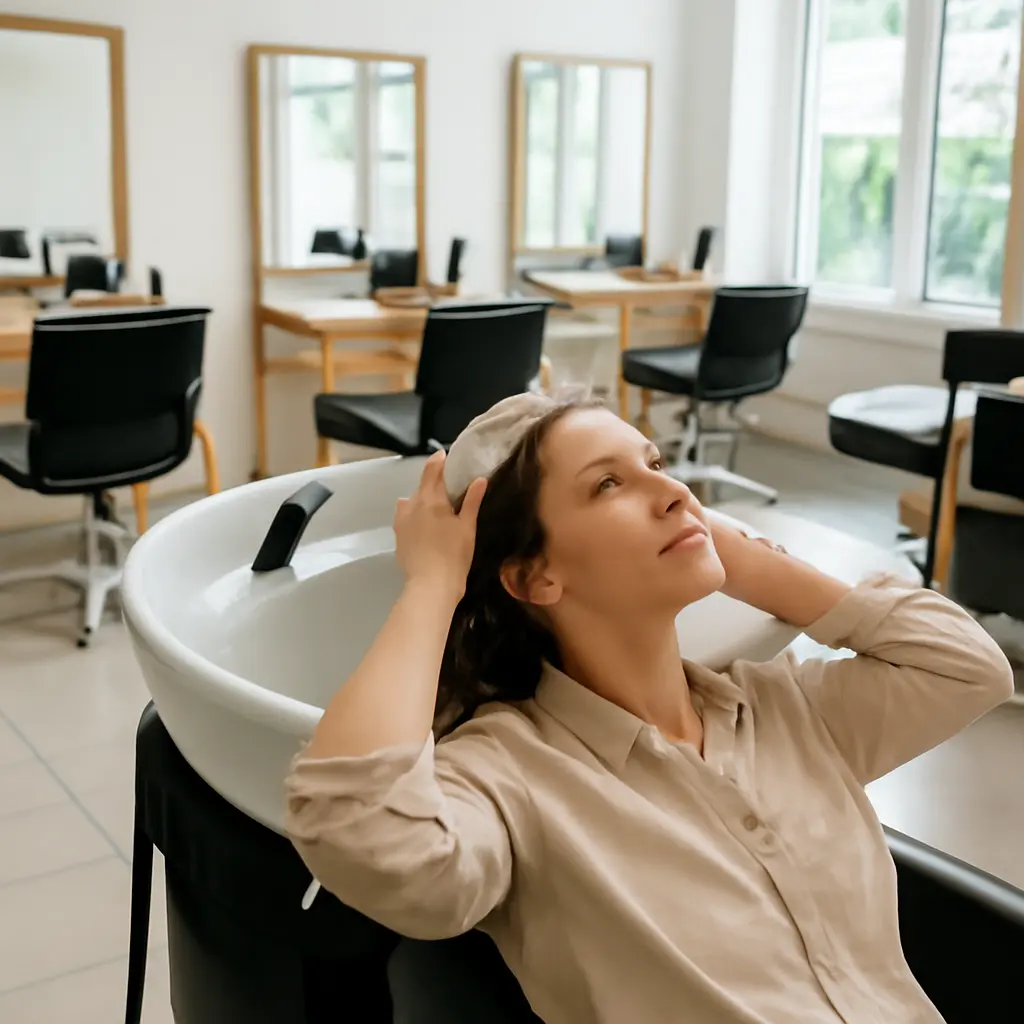

Hair color longevity is how well dyed hair retains its tone and depth between appointments. You can help color last longer by changing how you wash, rinse, dry, and style your hair—not just by buying more products. The American Academy of Dermatology recommends washing color-treated hair less often and using shampoo formulated for colored hair; salon and manufacturer guidance also emphasizes cooler water and reducing heat exposure. These habits can limit avoidable fading, though the result depends on your hair’s condition, color formula, and exposure to sun and chemicals.
Technique changes improve hair color longevity
Hair color longevity is the time a shade remains acceptably close to its intended appearance after coloring. Permanent dye alters pigment within the hair shaft, while semi-permanent and direct dyes largely deposit color near the surface; because these color types behave differently, they do not all fade at the same rate. The American Academy of Dermatology advises washing color-treated hair less frequently and choosing products designed for colored hair. In practice, the most useful technique changes are spacing out washes, using gentler water and handling, limiting heat, and protecting hair from environmental exposure.
Wash less often, without neglecting scalp care
Each shampoo can remove some loose surface pigment and natural oils, particularly with direct-dye shades and porous or damaged hair. Stretch washes gradually rather than forcing a schedule that leaves your scalp uncomfortable: use a suitable dry shampoo between washes if it works for you, and cleanse when your scalp needs it. Apply shampoo mainly to the scalp and let the suds rinse through the lengths instead of scrubbing the colored ends.
Choose a gentle, color-safe washing routine
A color-safe shampoo is formulated for color-treated hair and is generally a better starting point than a clarifying or deep-cleansing shampoo used routinely. Wet hair thoroughly, use a modest amount, massage the scalp with fingertips rather than nails, and rinse well. Follow with conditioner through the mid-lengths and ends to improve slip and reduce friction during detangling. Clarifying shampoos can be useful for removing buildup, but frequent use may make some dyed shades look duller; follow product directions and your colorist’s advice.
Use cooler water and handle wet hair gently
Very hot water can increase discomfort and dryness for some people, while vigorous rubbing and tangling add mechanical stress to wet hair. Use lukewarm water for shampooing and a comfortably cool rinse if you prefer it; there is not strong evidence that a cold rinse permanently “seals” color into hair. Blot with a soft towel or T-shirt instead of rubbing, then detangle gently from the ends upward with a wide-tooth comb.
Heat and environmental exposure affect color retention
Washing is only one source of fading. Ultraviolet light, repeated high-temperature styling, and swimming can also change the appearance of colored hair. A technique-focused routine reduces unnecessary exposure while preserving the hairstyle you want.
Lower heat during drying and styling
Heat styling means using tools such as blow-dryers, flat irons, and curling irons. Use the lowest temperature that achieves the style, keep the tool moving, and avoid repeated passes over the same section. Let hair air-dry partway before blow-drying, and use a heat-protectant product according to its label. These steps can reduce heat stress, but no protectant makes frequent high-temperature styling risk-free.
Protect hair from sun and swimming
Sunlight and pool or seawater can contribute to dryness or a change in tone, especially in hair that is already lightened or porous. Wear a hat in strong sun and consider a leave-in product labeled for UV protection. Before swimming, wet hair with clean water and use a swim cap when practical; afterward, rinse promptly and condition. Chlorine can interact with hair and mineral deposits, so persistent discoloration or irritation is a reason to ask a professional for advice rather than repeatedly applying corrective products at home.
A practical routine makes color-care techniques easier to maintain
A sustainable routine is more useful than an elaborate one. For example, someone whose bright fashion shade fades quickly might shampoo less often, cleanse the scalp gently, avoid routine clarifying washes, and rinse after swimming. Someone with a permanent brunette shade may focus more on reducing hot-tool use and protecting the lengths from sun. These examples illustrate general care principles, not guaranteed timelines: results vary with dye type, starting color, hair porosity, washing frequency, and the products used.
- Before washing, detangle gently and use lukewarm water.
- Shampoo the scalp as needed with a product intended for color-treated hair.
- Condition the lengths, then blot rather than rub hair dry.
- Reduce high-heat styling and protect hair during sun exposure or swimming.
- Follow the colorist’s instructions for your particular dye and hair condition.
A chart comparing wash frequency, heat exposure, and swimming before and after changing your routine could help you spot which habits coincide with faster fading. Keep other factors as consistent as possible, and remember that a simple personal log is not a controlled scientific test.
Conclusion: small technique changes can help color last longer
Hair color longevity depends on the dye and the hair as well as daily care. Washing less frequently when practical, choosing gentle color-safe cleansing, handling wet hair softly, reducing heat, and limiting sun and swimming exposure can help preserve appearance between appointments. Start with one or two manageable changes, observe how your hair responds, and consult a qualified colorist or dermatologist if fading comes with scalp irritation, breakage, or an unexpected color change.
Sources: American Academy of Dermatology Association, Hair dye and hair coloring safety, https://www.aad.org/public/everyday-care/hair-scalp-care/hair/hair-dye-safety; Cleveland Clinic, How to Take Care of Color-Treated Hair, https://health.clevelandclinic.org/how-to-take-care-of-color-treated-hair