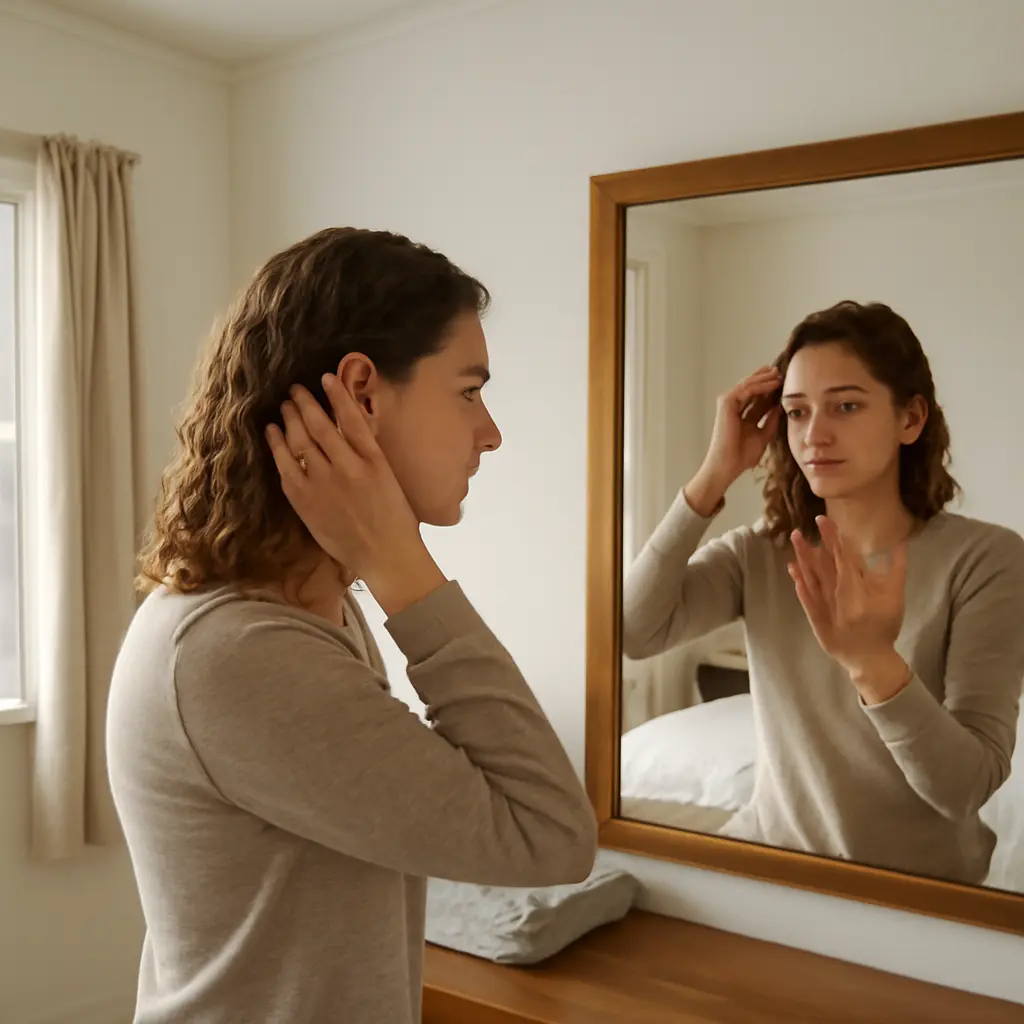

Day-two hair maintenance is the small set of steps used to refresh hair the day after washing without repeating a full wash-and-style routine. A minimalist approach—identify what actually needs attention, use as little water or product as possible, and stop when the hair looks and feels comfortable—can save time while helping preserve a style. The American Academy of Dermatology (AAD) notes that washing frequency should reflect hair type and scalp condition, rather than a fixed schedule; its guidance supports tailoring care instead of automatically shampooing every day. The sections below explain what minimalist maintenance means, how to refresh different hair textures, and how practical routines can support confidence without promising that appearance alone determines self-esteem.
What Minimalist Day-Two Hair Maintenance Means
Minimalist day-two hair maintenance is a targeted refresh of hair between wash days. It focuses on preserving the existing style, managing specific concerns such as flattened roots or frizz, and avoiding unnecessary washing, heat, or layering of products. The AAD’s hair-care guidance recommends choosing shampoo and conditioning practices according to hair type and applying shampoo primarily to the scalp; this is consistent with a routine that treats the scalp and hair lengths as related but distinct needs.
There is no single evidence-based number of days that everyone should wait between washes. Oil production, activity, scalp conditions, hair texture, and styling products all affect what feels clean and manageable. In practice, “minimalist” means using the fewest steps that achieve a comfortable result—not avoiding cleansing when the scalp needs it.
A refresh is not the same as a wash
A refresh addresses appearance or manageability without necessarily removing all oil, sweat, and product buildup. It might mean reshaping a part, smoothing a few flyaways, or lightly reactivating curls with water. A wash, by contrast, uses a cleansing product to remove accumulated oils and residue. If the scalp is itchy, uncomfortable, visibly oily, or affected by a scalp condition, refreshing the lengths alone may not solve the underlying issue.
Why less intervention can be useful
Every extra step creates another opportunity for friction, product buildup, or heat exposure. The AAD advises minimizing damaging styling practices, including excessive heat and rough handling of wet hair. A short routine can therefore be a sensible way to reduce manipulation, especially for hair that tangles, breaks easily, or loses its shape with repeated styling. This is a practical care principle, not a guarantee that a particular routine will prevent hair loss or damage.
How Minimalist Maintenance Adapts to Hair Type
The best day-two method depends on how hair responds to oil, moisture, and handling. Hair texture is one useful guide, but it does not determine an individual’s needs by itself. The AAD emphasizes adapting washing and conditioning to hair type, while also taking scalp condition and styling habits into account.
Straight and fine hair
Straight or fine hair may show oil or flattened roots sooner because sebum can travel along the hair shaft relatively easily. A low-effort refresh can include changing the part, lifting the roots with fingers, or using a small amount of dry shampoo when appropriate. Dry shampoo absorbs oil but does not clean the scalp; the AAD recommends washing it out rather than relying on it as a substitute for regular cleansing. Use only enough to address oily areas and follow the product instructions.
Wavy and curly hair
Wavy and curly hair may lose definition or become frizzy overnight, so a light touch often works better than brushing the whole head. Try dampening hands or a spray bottle with water, then gently scrunching or reshaping only the sections that need it. If adding a styling product, start with a small amount and avoid repeatedly coating the hair, which can leave residue. The goal is to revive the existing pattern, not to recreate wash-day styling from scratch.
Coily, tightly textured, or protective styles
Coily hair and protective styles often benefit from careful, low-tension handling because detangling or restyling too aggressively can cause breakage. On day two, focus on the scalp’s comfort and the style’s stability: smooth a small section, gently arrange the style, or use a suitable leave-in product sparingly if the hair feels dry. Protective styling does not remove the need for scalp care or cleansing. The AAD advises avoiding styles that pull painfully or place persistent tension on the hairline.
A Simple Day-Two Routine for Shape, Comfort, and Confidence
A useful routine is short enough to repeat and flexible enough to skip steps that are not needed. Think of the process as checking, refreshing, and stopping—not as correcting every natural variation in the hair.
Check the scalp and the style first
Before reaching for a product, notice whether the concern is at the scalp or along the hair. Oily roots may call for cleansing sooner; flattened lengths may need only reshaping; dry ends may respond to a small amount of conditioner or leave-in product. If there is persistent itching, redness, scaling, or unusual shedding, routine styling tips are not a substitute for advice from a qualified health professional.
Refresh selectively and limit heat
Use fingers, a wide-tooth comb, or a suitable brush only where necessary. Apply water or styling product to the sections that need it instead of rewetting the entire head. If heat is essential, keep the setting moderate and limit repeated passes; the AAD identifies excessive heat as a practice that can damage hair. A quick air-dry or gentle reshaping may be sufficient for many day-two styles.
Treat confidence as personal, not prescriptive
A manageable routine can reduce morning decisions and help someone feel prepared, but confidence is individual and cannot be measured by how polished a hairstyle looks. Day-two hair does not have to appear identical to freshly washed hair to be acceptable. A realistic standard—comfortable scalp, manageable shape, and a style that suits the person’s plans—can make maintenance more practical and less demanding.
Conclusion: Keep Day-Two Hair Care Personal and Simple
Minimalist day-two hair maintenance means refreshing only what needs attention, adapting the method to hair texture and scalp condition, and avoiding unnecessary manipulation or product buildup. Straight, fine, wavy, curly, and tightly textured hair may call for different techniques, but the same principle applies: choose the smallest useful intervention and cleanse when the scalp needs it. Try a brief routine for a week, note what works for your hair, and consult a dermatologist or other qualified professional if scalp symptoms or hair changes persist.
Sources: American Academy of Dermatology Association, “How to wash your hair,” https://www.aad.org/public/everyday-care/hair-scalp-care/hair/how-to-wash-hair; American Academy of Dermatology Association, “Hair styling without damage,” https://www.aad.org/public/everyday-care/hair-scalp-care/hair/hair-styling; American Academy of Dermatology Association, “Tips for healthy hair,” https://www.aad.org/public/everyday-care/hair-scalp-care/hair/healthy-hair-tips; American Academy of Dermatology Association, “Dry shampoo: Is it safe to use?” https://www.aad.org/public/everyday-care/hair-scalp-care/hair/dry-shampoo.