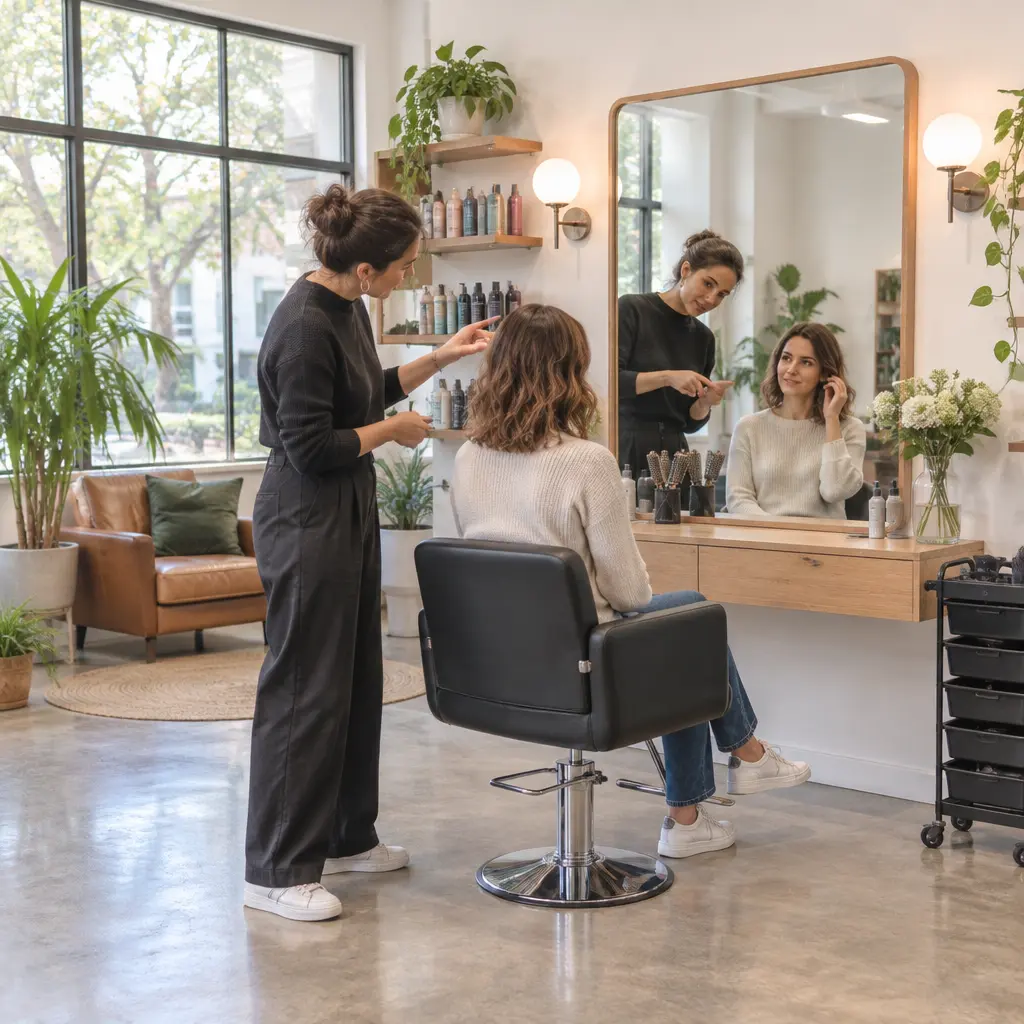

Hair is a visible part of personal style, and changing it can influence how someone feels about their appearance, identity, and sense of control. A new cut, color, or texture routine may offer a confidence boost when it aligns with a person’s preferences—but it is not a guaranteed fix for low self-esteem. Research on body image and appearance suggests that feelings about appearance can affect well-being, while individual responses to a hairstyle change vary. Understanding the psychology of self-image, the practical choices involved, and the limits of appearance-based confidence can help make a hair change more positive and personally meaningful.
How Hair Changes Can Influence Confidence
Confidence is a person’s belief in their ability or worth; appearance-related confidence is the comfort they feel with how they look and present themselves. Hair can matter because it is visible, changeable, and often connected to culture, identity, and self-expression. The American Psychological Association describes body image as the mental picture and attitudes a person has about their body, including thoughts and feelings about appearance. A hairstyle can affect that picture, but its impact depends on personal meaning, expectations, and social context.
There is no reliable universal statistic showing that a haircut or color change increases confidence by a set amount. Evidence instead supports a more nuanced point: appearance-related feelings are part of broader body image and mental well-being, and people differ in how they respond to changes. Hair may provide a useful, concrete way to express a chosen identity or refresh a routine, but lasting self-worth is not determined by a particular look.
Self-image and perceived control
Self-image is how people understand and evaluate themselves; perceived control is the sense that they can make choices affecting their lives. Deciding to cut, style, or color hair can feel empowering because it turns a personal preference into a visible choice. The effect is most likely to feel positive when the change is self-directed rather than driven by pressure to satisfy someone else’s standards.
Identity, culture, and belonging
Hair can communicate identity, cultural connection, gender expression, or community belonging. A change may feel affirming when it better reflects how someone sees themselves, while a style associated with family or cultural traditions may provide continuity and connection. These meanings are personal; no single hairstyle has the same significance for everyone.
Social feedback and expectations
Compliments and supportive reactions can reinforce satisfaction, but relying on other people’s approval can make confidence fragile. A haircut may also attract unexpected comments or require an adjustment period. Before making a change, it can help to distinguish “I want this” from “I hope this will make everyone respond differently.”
Hair Changes That Can Support Self-Expression
Hair changes include temporary styling choices as well as longer-lasting cuts, color, and texture treatments. They differ in cost, upkeep, reversibility, and physical impact. Considering these characteristics makes it easier to choose an option that suits both the desired look and everyday life.
A haircut or change in shape
A haircut changes length, layers, or silhouette and is often a straightforward way to refresh appearance. A gradual trim can be a lower-commitment step than a dramatic cut, while reference photos and a conversation about maintenance help a stylist understand the goal. Hair grows back, but the pace and the time needed to reach a previous length vary from person to person.
Color and highlights
Color changes may range from subtle highlights to a vivid all-over shade. The American Academy of Dermatology advises following product directions and performing a patch test before using hair dye, since hair-color products can cause allergic reactions. It also notes that some dyeing practices can damage hair. A professional consultation can help clarify upkeep, cost, and options for minimizing damage.
Texture, styling, and protective choices
Styling can change how hair looks without permanently changing its structure. Heat tools, chemical processes, and tight hairstyles may contribute to damage or hair loss, according to dermatology guidance. Choosing gentler techniques, limiting excessive heat, and avoiding styles that pull painfully can help protect scalp and hair health. Confidence should not require sacrificing comfort or causing avoidable damage.
Wigs, extensions, and temporary experimentation
Wigs, clip-in extensions, temporary color, and styling trials let people explore a look before making a more lasting change. These options can be useful for special occasions, personal experimentation, or hair loss. Fit, scalp comfort, and safe attachment matter; extensions that place excessive tension on hair can contribute to traction-related damage.
Making a Hair Change More Likely to Feel Positive
A satisfying result depends on more than the image used for inspiration. Hair texture, growth patterns, daily routines, budget, and maintenance all affect how a style works in real life. Treating the change as a thoughtful choice—not a promise to transform every aspect of life—can help set realistic expectations.
Clarify the reason for the change
A useful first step is naming what you want: easier styling, a new form of self-expression, a change after a life transition, or simply curiosity. If the main hope is to solve persistent distress about appearance, a hairstyle may offer only temporary relief. Support from a trusted person or qualified mental-health professional may be more helpful for ongoing concerns.
Match the style to everyday life
Consider how much time and money the style requires, how often it needs refreshing, and whether it fits work, school, cultural, or care routines. Bring reference images that show the desired result and discuss what is realistic for your hair. A stylist’s professional assessment can help adapt an inspiration photo rather than treating it as a guaranteed outcome.
Choose a low-pressure way to experiment
When uncertain, try a temporary style, a small trim, or a subtle color shift before committing to a major change. Take time to adjust to the result and notice how it feels in ordinary settings, not only immediately after leaving the salon. The goal is not to earn universal approval, but to find an option that feels comfortable and authentic.
Conclusion: Hair, Confidence, and Personal Choice
Changing your hair can influence confidence by supporting self-expression, identity, perceived control, and comfort with appearance. Cuts, color, texture styling, and temporary options each offer different levels of commitment and upkeep. The most constructive approach is to choose a change for personal reasons, consider hair and scalp health, and keep expectations realistic: a new look can be meaningful, but it cannot guarantee lasting self-esteem or solve deeper distress. Explore options with a qualified stylist, consult reputable dermatology guidance for chemical or hair-loss concerns, and seek further support if appearance worries are affecting daily life.
Sources: American Psychological Association, APA Dictionary of Psychology, “Body Image,” https://dictionary.apa.org/body-image; American Academy of Dermatology Association, “Hair dye and hair relaxers,” https://www.aad.org/public/everyday-care/hair-scalp-care/hair/hair-dye; American Academy of Dermatology Association, “Hairstyles that pull can lead to hair loss,” https://www.aad.org/public/diseases/hair-loss/causes/hairstyles