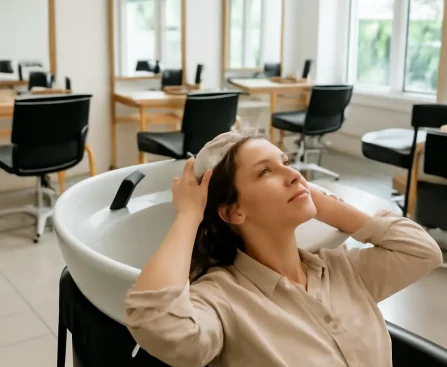
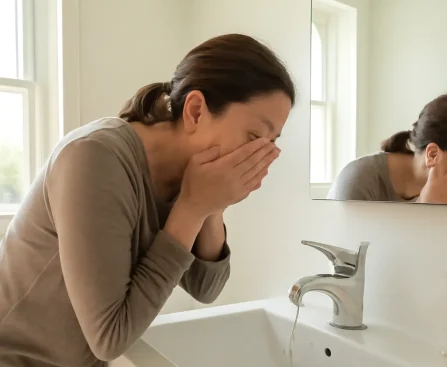
Cleansing is the process of removing dirt, sweat, sunscreen, makeup, and excess oil from the skin’s surface. The often-missed step is rinsing thoroughly after applying cleanser: residue left behind can irritate some people, while rubbing or washing repeatedly to compensate can also disrupt the skin barrier. Dermatology guidance generally favors a gentle cleanser, lukewarm water, […]
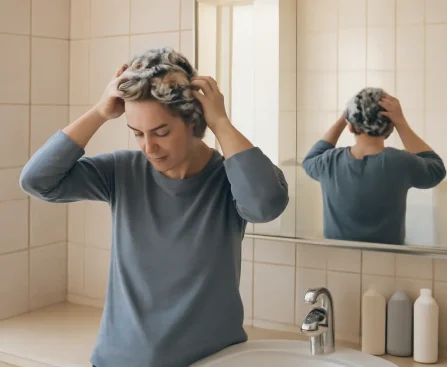
Scalp product buildup is the residue that remains when styling products, oils, dry shampoo, and dead skin accumulate faster than they are removed. It can leave hair feeling coated or greasy and may contribute to itching or flaking, though those symptoms can also have other causes. Five habits commonly encourage buildup: applying products directly to […]
Hair thickness is not one simple trait: it can mean the width of an individual hair fiber, the number of hairs on the scalp, or the overall fullness created by both. Thick strands are generally wider than fine strands, but they do not automatically mean denser hair, greater strength, or easier styling. Understanding the difference […]
Natural growth patterns are the recurring changes in size, reach, or activity that emerge as a person, organization, audience, or system develops over time. They are not automatically signs of failure: recognizing a genuine pattern can help you distinguish healthy development from a problem, set realistic expectations, and choose a response grounded in evidence. Whether […]
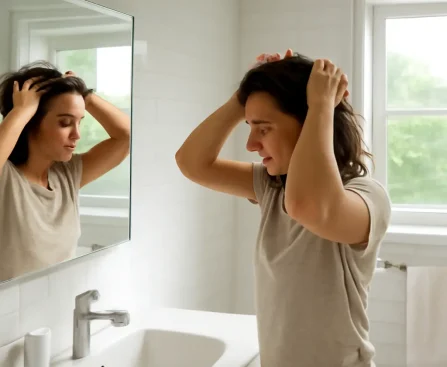
Curly-hair scrunching is a styling technique that encourages natural curl and wave patterns by gently squeezing wet, product-coated hair upward toward the scalp. For definition that lasts, scrunch in sections while hair is wet, use a curl-friendly styler, remove excess water without rough friction, and dry without disturbing the curl clumps. The method matters: the […]
Hair color longevity is how well dyed hair retains its tone and depth between appointments. You can help color last longer by changing how you wash, rinse, dry, and style your hair—not just by buying more products. The American Academy of Dermatology recommends washing color-treated hair less often and using shampoo formulated for colored hair; […]
Day-two hair maintenance is the small set of steps used to refresh hair the day after washing without repeating a full wash-and-style routine. A minimalist approach—identify what actually needs attention, use as little water or product as possible, and stop when the hair looks and feels comfortable—can save time while helping preserve a style. The […]
A split dye job colors the two sides of the hair in visibly different shades, creating a high-contrast look that can range from soft pastels to vivid, opposing colors. The eye-catching result is only part of the story: split dye often takes more planning than a single-color appointment, the center part and hairline need careful […]
Palm distribution—the way people apply and spread styling products with their hands—is reshaping everyday hair routines by making technique, product choice, and hair texture part of the same conversation. Rather than simply rubbing gel, cream, or oil between the palms and smoothing it over the hair, stylists and consumers increasingly use deliberate hand movements such […]
Spiky haircuts are styles that use short, textured, or deliberately lifted sections to create a pointed silhouette. The best version depends less on a rigid “face-shape rule” than on balancing the haircut’s height, width, and texture with your features, hair type, and styling habits. Five adaptable options—the classic textured crop, spiky quiff, faux hawk, short […]