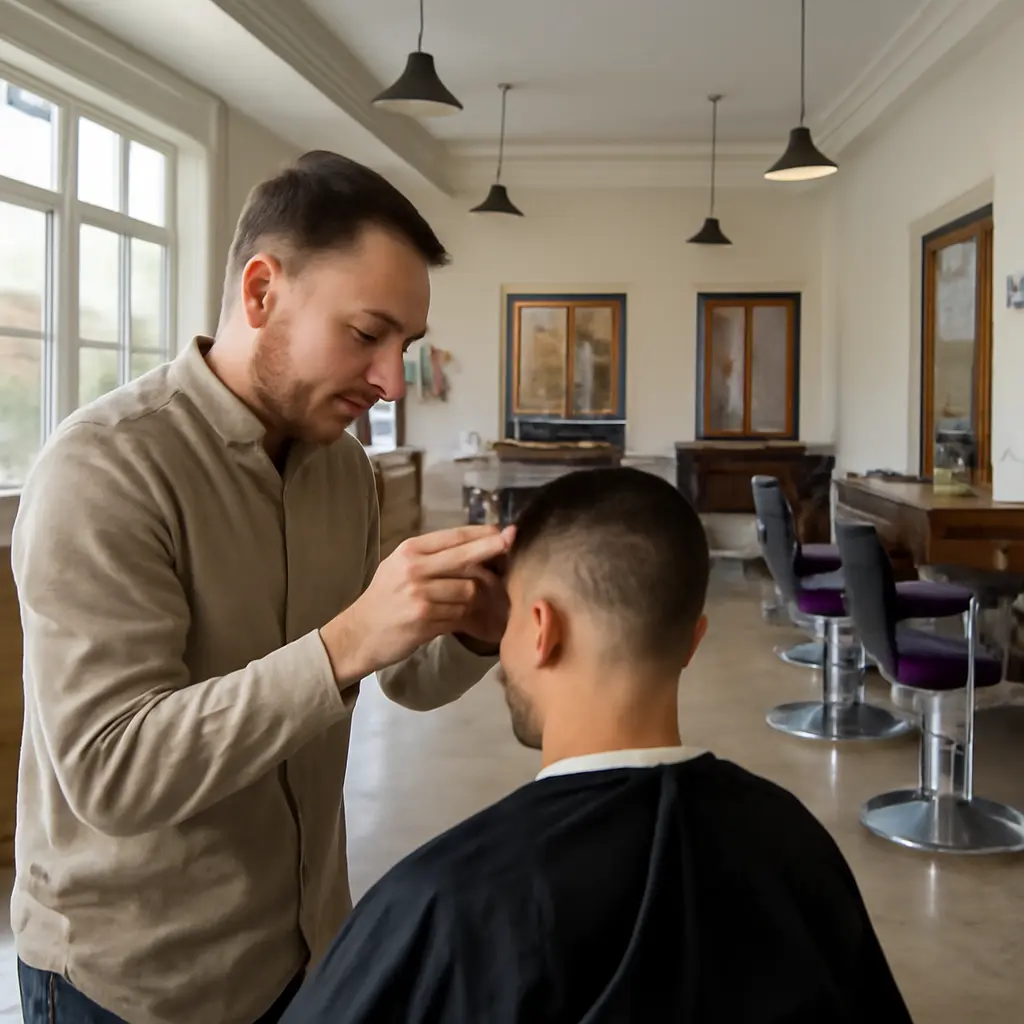

Shaved designs are intentional patterns cut into hair—often called hair tattoos, hairline designs, or shaved-in designs—using clippers or a razor to create deliberate lines, shapes, or images. The difference between a polished design and an accidental-looking mark is planning: clear placement, balanced geometry, contrast suited to the haircut, and an execution method matched to the design. Barbers commonly build designs into fades and undercuts, where the short length makes the pattern visible; because hair grows continuously, the result is temporary and needs upkeep. The sections below explain how design choices, technique, communication, and maintenance help make the outcome look purposeful.
Shaved design structure: the features that make a pattern look intentional
A shaved design is a graphic pattern formed by removing or shortening hair in a selected area of the scalp. There is no single technical standard for the term: barbering references generally describe the practice through its tools and techniques rather than a formal design taxonomy. In practical terms, the design works when its lines, negative space, scale, and position visibly relate to the haircut rather than appearing like isolated scratches.
Hair grows at roughly half an inch per month on average, according to the American Academy of Dermatology. That makes shaved designs inherently temporary: as stubble returns, fine details and narrow gaps lose contrast. A design that reads clearly at the chosen clipper length—and still suits the haircut as it grows out—is more likely to look deliberate over time.
Placement and visual balance
Placement is the location of the pattern in relation to the head shape, part, fade, and hairline. A design can follow the curve above the ear, sit within a temple fade, or extend across the back of the head. Choosing one focal area usually keeps the result legible; placing several unrelated marks across the scalp can make the haircut look busy. A barber can assess the head from front, side, and back views before deciding where a motif will sit.
Line weight, contrast, and negative space
Line weight is the apparent thickness of the shaved path, while negative space is the hair left between lines or shapes. Both affect readability. A strong outline with enough unshaved space around it tends to remain clearer than a cluster of thin, closely spaced cuts. Contrast also depends on hair length and color: a design shaved close to the skin stands out more against longer surrounding hair than against an already very short, uniform cut.
Scale and simplicity
Scale refers to the pattern’s size relative to the area available. A small, simple motif can work in a narrow temple section, while a broader canvas can support a larger geometric or illustrative design. Fine detail is difficult to preserve in a small area and fades visually as hair grows. When unsure, start with a clean, simple shape; complexity can be added in a later appointment if the placement and upkeep suit the wearer.
Shaved design types: choosing a motif that fits the haircut
Once placement and scale are settled, the motif can be chosen. Common types range from single lines and geometric patterns to curved flourishes and pictorial artwork. These categories are practical rather than official: barbers often combine them, adapting the design to the fade, undercut, or short crop that frames it.
Single lines and part designs
A line design is one or more deliberate tracks shaved into the hair, often near a side part or temple. A single line is a useful choice when the goal is a restrained accent; paired lines or a curved track can add emphasis without filling the whole area. The line should have a clear beginning and end, and its direction should complement the haircut’s existing contours.
Geometric and repeating patterns
Geometric designs use repeated or structured forms such as arcs, angles, chevrons, and stepped lines. Repetition can make a design feel planned, but spacing and alignment need to remain consistent. These motifs often pair well with fades because the barber can use the transition between longer and shorter hair as a boundary. A reference image helps communicate the pattern’s proportions and orientation.
Curves, waves, and abstract motifs
Curved designs include waves, swirls, and free-flowing lines. They can soften a sharp haircut or follow the rounded shape of the head. Abstract motifs are not required to depict a recognizable object; instead, their balance depends on rhythm, spacing, and a coherent path. The barber should check how the curve looks from the wearer’s side and rear profiles, not just in a mirror-facing view.
Pictorial and custom designs
Pictorial designs represent recognizable subjects, initials, or symbols. They typically require a larger area and more planning than a simple line. Small details can merge as hair grows back, so a bold silhouette is often more practical than a densely detailed image. For a custom request, agree on the size, placement, and level of detail before cutting begins.
Shaved design technique: planning and cutting with control
Technique turns a concept into a clean result. Professional barbering guidance, including the National Barber Board’s practical materials and standard clipper-cutting instruction, emphasizes control of the tool, sanitation, and clear consultation. For a design, the same principles apply: establish the shape first, use the right tool for each stage, and avoid trying to correct a line by repeatedly cutting deeper into the same area.
Consultation and reference checks
A consultation is the agreement between barber and client about the haircut and design before the work starts. Bring a reference image, then discuss what should be kept, simplified, or repositioned for the actual head shape and hair length. Confirm whether the design should be subtle or high-contrast, how it connects to the fade, and whether it must meet workplace or school grooming expectations.
Guidelines before detail work
Guidelines are light initial marks used to map the design before the final lines are sharpened. A barber may sketch or mark the route, step back to check symmetry and proportion, then refine the shape with a trimmer. This staged approach makes it easier to catch awkward placement early, when the design can still be adjusted without removing more hair than intended.
Clipper, trimmer, and razor roles
Clippers reduce bulk and establish the haircut; detail trimmers create crisp lines and narrow shapes; a razor can produce a closer finish where appropriate. Tool choice depends on the wearer’s skin, the desired contrast, and the barber’s technique. Close shaving is not necessary for every design. If the scalp is sensitive or irritated, discuss a less aggressive finish and do not cut over broken or inflamed skin.
Shaved design maintenance: keeping the look clean as hair grows
Maintenance is the care and timely reshaping needed to preserve a design’s definition. Since hair growth gradually fills shaved paths, sharp detail cannot remain unchanged indefinitely. The American Academy of Dermatology’s average growth estimate of about half an inch per month provides useful context, but individual growth varies. Rather than assuming a fixed refresh schedule, plan a check-in based on how quickly the pattern loses contrast and how close the surrounding haircut is kept.
Refresh timing and grow-out
A refresh restores the fade or sharpens a design that has softened. Fine lines usually become less distinct sooner than broad shapes, so a simple design may remain readable longer. If frequent appointments are inconvenient, choose a motif that still looks balanced when softened. A barber can also suggest a grow-out plan that blends the design into the next haircut rather than leaving an abrupt patch.
Scalp care and sun exposure
A freshly shaved area exposes more skin than a longer haircut does. The American Academy of Dermatology recommends broad-spectrum sunscreen with an SPF of 30 or higher for exposed skin; a close-cut scalp may need the same protection, particularly outdoors. Keep the area clean, avoid picking at irritation, and follow the barber’s aftercare advice. Persistent redness, pain, swelling, or signs of infection warrant medical advice.
Shaved design decisions: a practical checklist before the appointment
A few decisions made in advance reduce the chance of a design looking accidental. Use this checklist to turn a general idea into a clear barbering request:
- Choose one main motif and identify the area where it should sit.
- Bring a reference image that shows the design from a similar angle and haircut length.
- Decide whether you want a subtle line, a high-contrast pattern, or a larger custom image.
- Ask how the design will look as it grows out and how often it may need refreshing.
- Confirm that the barber has experience with the requested level of detail.
- Discuss skin sensitivity and any grooming rules that may affect placement or visibility.
Conclusion: shaved design clarity comes from planning
A shaved design looks intentional when its placement, line weight, contrast, and scale work with the haircut instead of competing with it. Simple lines and geometric motifs offer clarity, while curves and custom artwork need room and careful mapping. Consultation, controlled detailing, realistic expectations about hair growth, and basic scalp care all contribute to a better result. Before your next appointment, save a reference, discuss how the pattern will grow out, and ask your barber to confirm the placement before the final lines are cut.
Sources: American Academy of Dermatology Association, “How Fast Does Hair Grow?”, https://www.aad.org/public/everyday-care/hair-scalp-care/hair/how-fast-hair-grows; American Academy of Dermatology Association, “Sunscreen FAQs”, https://www.aad.org/media/stats-sunscreen; National Barber Board, Barbering resources and education, https://nationalbarberboard.com/